Plain guides to heating, cooling, indoor air and 5G home internet

Indoor Air Quality

Cleaner air at home, in three parts

Better indoor air comes from three things working together: filtration that suits your system, humidity kept in a comfortable range, and enough fresh air coming in.

Catch what floats

Filtration

  • MERV ratings run from 1 to 16; higher traps finer particles
  • Check the highest rating your blower is designed to handle
  • Change filters on the schedule printed on them, or sooner
  • A room purifier with a sealed HEPA filter helps one room
Check my home
A white cylindrical air purifier on a wooden surface

Not too dry, not too damp

Humidity

  • The EPA suggests keeping indoor humidity below 60 percent
  • Between 30 and 50 percent is the range it calls ideal
  • Whole-home humidifiers and dehumidifiers attach to the ducts
  • Musty smells and wet windows are signs of too much moisture
Check my home
An indoor air monitor showing readings beside a potted plant

Fresh air in, stale air out

Ventilation

  • Bathroom and kitchen fans should vent outdoors, not into the attic
  • Energy recovery and heat recovery ventilators trade air while keeping warmth
  • Tightly sealed homes need fresh air planned in
  • Clean the grilles so supply and return air can move
Check my home
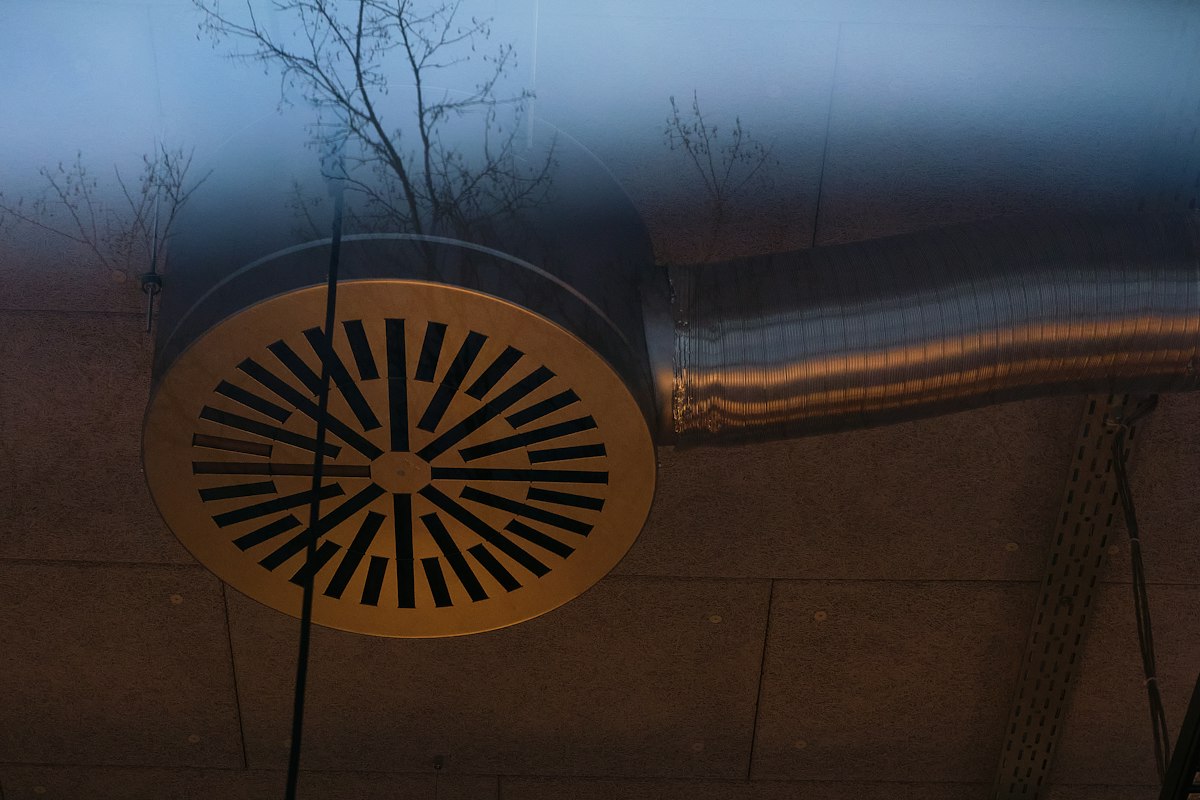
A round ceiling air diffuser seen from below

Checklist

Where to look first

Filter Check its size, its rating and when it was last changed
Humidity Read a hygrometer in a few rooms over a week
Fans Confirm the bathroom fan actually vents outside
Ducts Look for gaps or crushed sections in the ducts you can reach
Sources Note new furniture, paint, pets and gas appliances

Keep reading

Related pages

AC units, furnaces, heat pumps, installs

Heating & Cooling Systems

Repairs, inspections, replacements

HVAC Maintenance & Repairs

Lower bills, efficient equipment, assessments

Energy Efficiency

Plan a smarter home climate

Heating 5G internet